 取得
取得


Since its first broadcast in 1978, "Hong Kong Connection" has documented Hong Kong's transformation through the decades. The programme tracks the city's social heartbeat, exploring topics ranging from economic and social welfare to housing, healthcare, education, and environmental issues. With sharp editorial insight, the team presents a weekly dose of in-depth current affairs coverage, giving viewers a clearer picture of the issues that matter to Hong Kong.

Childhood hyperactivity—often described colloquially as “big‑headed shrimp, never stopping”—is very common. When these behaviors persist into adulthood, there is a chance of having ADHD (Attention‑Deficit/Hyperactivity Disorder). A university estimate suggests that 2.5 % of Hong Kong’s adult population may have the condition, yet data from the Hospital Authority show that fewer than 4,000 adults have been diagnosed and are receiving treatment. How can one determine whether they have ADHD? Is this behavioral disorder hereditary? In this episode we will invite adult ADHD patients to share their experiences, and the medical team will explain the latest diagnostic and treatment approaches.
An increasing number of people are viewing AI as a "confidant" for sharing their innermost thoughts and seeking emotional support. Tech companies like Gemini, Grok, and Google are racing to enhance AI's psychological features. This reflects not just technological advancement, but a deep-seated demand for emotion and connection in modern life.
This episode explores extreme global cases stemming from AI emotional companionship, highlighting news stories of overreliance and fraud to warn against potential risks. Additionally, cybersecurity experts offer insights into privacy concerns and authenticity issues that users must navigate when relying on these "AI confidants."


Childhood hyperactivity—often described colloquially as “big‑headed shrimp, never stopping”—is very common. When these behaviors persist into adulthood, there is a chance of having ADHD (Attention‑Deficit/Hyperactivity Disorder). A university estimate suggests that 2.5 % of Hong Kong’s adult population may have the condition, yet data from the Hospital Authority show that fewer than 4,000 adults have been diagnosed and are receiving treatment. How can one determine whether they have ADHD? Is this behavioral disorder hereditary? In this episode we will invite adult ADHD patients to share their experiences, and the medical team will explain the latest diagnostic and treatment approaches.

In Hong Kong, people are living longer lives. But what does longevity look like in everyday life? We follow several elders over the age of 80 to see how they spend their days.
Longevity is a blessing, but it also brings challenges. As their bodies are not as strong as before, how do they live with more vitality than ever? Among these “post‑80s,” some continue to pursue their passions, some devote themselves to caring for their spouses, and others enjoy the happiness of a large family. What are their secrets to longevity, and what gives their lives meaning?

Hong Kong's "more women than men" trend continues, the number of never‑married women exceeds that of men. An increasing number of women hold university degrees, and their work abilities are not inferior to men's. This group of highly educated, high‑position, high‑income "three‑high" women—will they find it difficult to find partners or ultimately choose to remain single? How will Hong Kong women plan their lives?

With the rapid development of society and students' increasing exposure to various online information, sexual content has drawn widespread attention.
As society's demand for sex education continues to grow, striking a balance between protecting young people and providing comprehensive education has become an urgent topic for discussion.

Recent viral videos show teenagers being bullied, slapped, and beaten, reigniting public concern. Research suggests troubled teens often come from complex family backgrounds or act under peer influence, while some perpetrators are former victims seeking revenge. With bullying worsening, how do the society and schools respond effectively?

Hong Kong boasts over 1,000 kilometers of coastline and more than 200 islands, providing a natural advantage for the development of the yacht economy, which is expected to generate approximately 4.5 billion in annual revenue. Currently, various Asian countries are aggressively competing for the yacht market. Can the speed of increasing berths and deregulation in Hong Kong keep up with the competition from surrounding cities? How can Hong Kong collaborate with mainland China to jointly establish an Asian yacht industry hub?
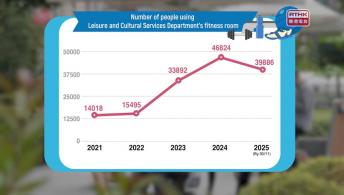
Fitness—comprising weight training, cardio, and bodybuilding—boosts physical health, improves sleep, and aids weight loss. We explore how the rise of fitness culture impacts public mental health. Featuring insights from schools, fitness industry representatives, and health experts, we examine the evolution of Hong Kong's fitness scene and look into available government funding and support.

Dictation has long been part of Hong Kong primary school life, but new curriculum guidelines urge schools to scale it back. Some have already cancelled Chinese and English dictation, noting that high scores don’t always translate into better writing. Instead, they’re turning to reading, games, and AI-assisted learning to boost literacy.
This episode explores how teachers see the changes, how parents respond to the “no dictation” revolution, and whether in an age of smartphones and voice input, students risk forgetting how to write by hand.

The health impacts of obesity cannot be ignored, and countries around the world are beginning to view "obesity" as a public health issue. In 2024, mainland China issued its first obesity diagnosis and treatment guidelines, clearly categorizing the diagnostic criteria and treatment methods for obesity. The program will highlight the importance of weight loss through the weight loss processes and lifestyles of obese individuals.

Hong Kong is aging rapidly, with seniors aged 65+ hitting 24% of the population in 2024 and projected to reach one-third by 2039. In this "city of longevity," early financial planning is vital. What is the key to a worry-free retirement? We will explore more in this epiosde.