Listen to #Hashtag Hong Kong every Sunday morning at 8.15
Focusing on issues affecting civil society, we'll hear from representatives of NGOs, associations, statutory bodies, and non-profit groups.
(Sundays 8.15am - 8.25am)
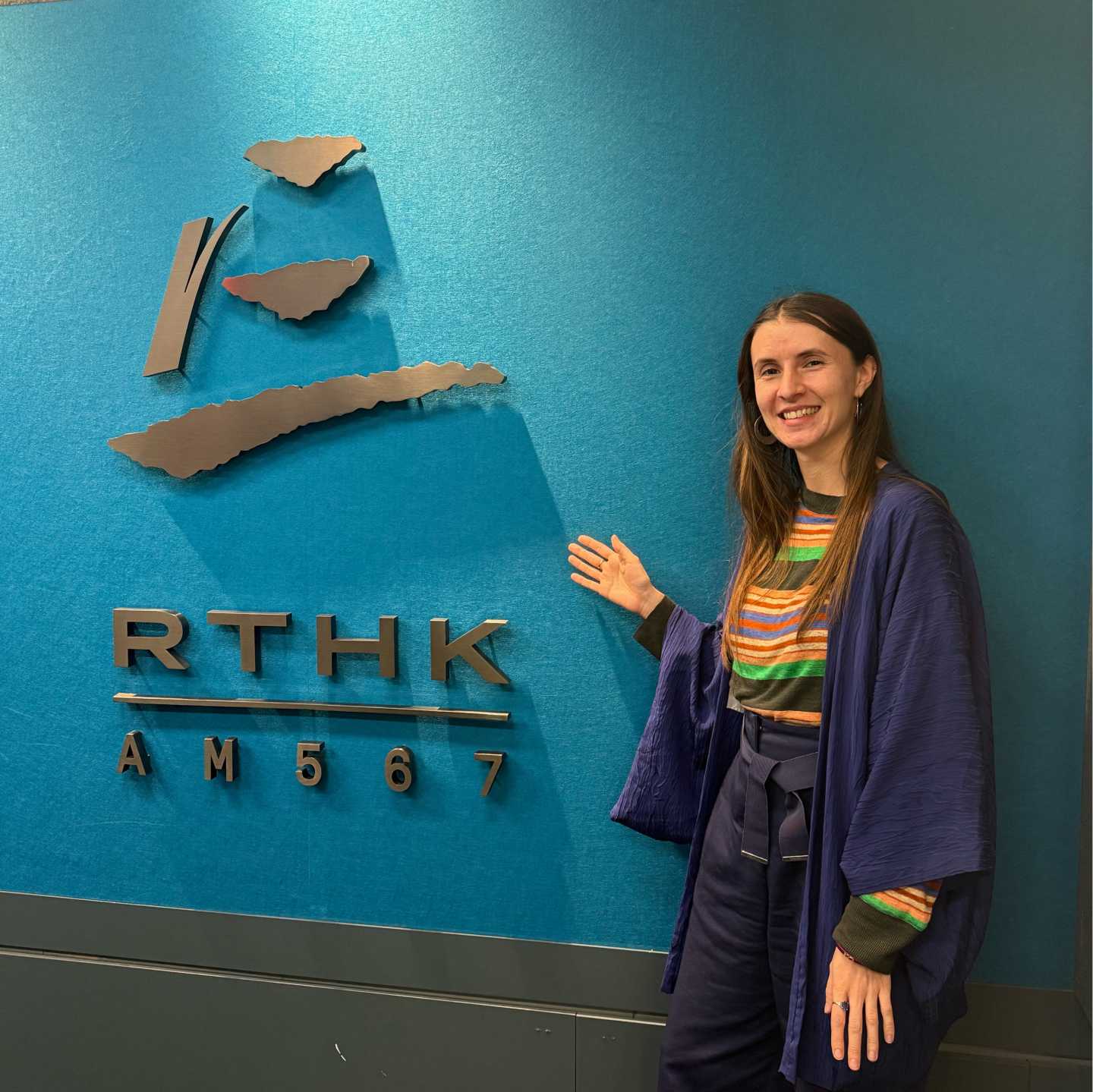

Good morning! What are you wearing today? Still in pajamas in bed or have you already put on your Sunday outfit? Whichever clothes you’ve chosen today, the fact that you’re wearing clothes makes you an actor of the fashion industry. Most of us think about clothes from a price, comfort or style perspective, not often about their environmental impact. But making clothes is a very energy intensive process that requires a huge amount of resources, such as land to grow cotton, chemicals to dye fabrics, and a lot of human labour - which makes fashion one of the most polluting industries. And what happens to the clothes that aren’t sold? Or if you no longer fit them? Often, landfill is the ultimate destination. In Hong Kong alone, we throw over 402 tonnes of textile every single day, that’s the equivalent of 17,480 large suitcases full of clothes. Fashion’s current linear system of ‘take, make, use and waste’ creates huge amounts of pollution and waste with for example less than 1% of material used to produce clothing being recycled into new clothing. This is not sustainable, and this is why Redress exists. We are an Asia-focused environmental NGO on a mission to build a world where fashion is no longer a burden on the environment. We believe in educating and empowering on one side consumers, to provide them with the knowledge and solutions necessary to reduce the negative environmental impact of clothing. And on the other side, emerging designers, to provide them with circular design know-how and opportunities to bring their circular skills to leading fashion brands.
In the last 10 years, there’s been a real change in how Hong Kongers think about the
climate crisis, with growing knowledge and awareness of the issues. At the same time the abundance of scary news can feel paralysing and it can be hard to know where to start. This is why I believe providing simple solutions, easy switches to lead a more sustainable lifestyle is so important. One thing about fashion that we cannot change is that it has to look good! So what can we start with? Buying less clothes is the obvious, and great for your wallet too, but I think it’s mainly about buying better: making sure it’s an item that fits you really well, makes you feel amazing and that you know you’ll wear many times. Keeping clothes in use for a long time is key to reducing their environmental impact. This can be achieved through mending, tailoring, being creative with mix and match, and promoting secondhand shopping as an alternative to retail. In the last few years, there’s been an exciting growth of options in Hong Kong, from clothing swap events to wardrobe clean-up IG accounts and a number of physical secondhand shops like our Redress Closet in Sham Shui Po. People's attitude towards secondhand clothing is slowly changing, and we see an increasing number of curious customers who may be lured in by accessible prices or the chance of a unique style. The main reason people tell us they are reluctant to buy secondhand is hygiene, which is a bit of a myth given that clothing bought in a retail store have also been touched by just as many hands and probably tried on a couple of times too. As long as you wash it before wearing it, there’s nothing to be worried about. Finding solutions to keep clothes in use for longer can be challenging, but it’s certainly easier for clothes that are of good quality and timeless style, fast-fashion is generally quite hard to rehome as the initial retail price and therefore the perceived value is low. With so many ads and the thrill of online shopping, it is challenging to resist the temptation of buying more. For your next purchase, you can consider this interesting concept of cost-per-wear which is to think about the number of times you’ll be able to wear an item, which is usually a lot more for
an expensive but high quality item than for a cheap, fast fashion item making the former a better investment.
Moving towards a circular economy requires both the availability of options such as
clothing recirculation options, recycling, secondhand shops, etc at the same time as a
change of mindsets. Our approach is to support people, and especially young ones, to understand the relationship between their personal clothing habits and find out what sustainable fashion means for them.
Last year, we educated 7,500 people and extended the life of 55 tonnes of clothing. We need everyone in Hong Kong to rethink their clothing habits to bring back the
positive power of fashion!

Good morning! What are you wearing today? Still in pajamas in bed or have you already put on your Sunday outfit? Whichever clothes you’ve chosen today, the fact that you’re wearing clothes makes you an actor of the fashion industry. Most of us think about clothes from a price, comfort or style perspective, not often about their environmental impact. But making clothes is a very energy intensive process that requires a huge amount of resources, such as land to grow cotton, chemicals to dye fabrics, and a lot of human labour - which makes fashion one of the most polluting industries. And what happens to the clothes that aren’t sold? Or if you no longer fit them? Often, landfill is the ultimate destination. In Hong Kong alone, we throw over 402 tonnes of textile every single day, that’s the equivalent of 17,480 large suitcases full of clothes. Fashion’s current linear system of ‘take, make, use and waste’ creates huge amounts of pollution and waste with for example less than 1% of material used to produce clothing being recycled into new clothing. This is not sustainable, and this is why Redress exists. We are an Asia-focused environmental NGO on a mission to build a world where fashion is no longer a burden on the environment. We believe in educating and empowering on one side consumers, to provide them with the knowledge and solutions necessary to reduce the negative environmental impact of clothing. And on the other side, emerging designers, to provide them with circular design know-how and opportunities to bring their circular skills to leading fashion brands.
In the last 10 years, there’s been a real change in how Hong Kongers think about the
climate crisis, with growing knowledge and awareness of the issues. At the same time the abundance of scary news can feel paralysing and it can be hard to know where to start. This is why I believe providing simple solutions, easy switches to lead a more sustainable lifestyle is so important. One thing about fashion that we cannot change is that it has to look good! So what can we start with? Buying less clothes is the obvious, and great for your wallet too, but I think it’s mainly about buying better: making sure it’s an item that fits you really well, makes you feel amazing and that you know you’ll wear many times. Keeping clothes in use for a long time is key to reducing their environmental impact. This can be achieved through mending, tailoring, being creative with mix and match, and promoting secondhand shopping as an alternative to retail. In the last few years, there’s been an exciting growth of options in Hong Kong, from clothing swap events to wardrobe clean-up IG accounts and a number of physical secondhand shops like our Redress Closet in Sham Shui Po. People's attitude towards secondhand clothing is slowly changing, and we see an increasing number of curious customers who may be lured in by accessible prices or the chance of a unique style. The main reason people tell us they are reluctant to buy secondhand is hygiene, which is a bit of a myth given that clothing bought in a retail store have also been touched by just as many hands and probably tried on a couple of times too. As long as you wash it before wearing it, there’s nothing to be worried about. Finding solutions to keep clothes in use for longer can be challenging, but it’s certainly easier for clothes that are of good quality and timeless style, fast-fashion is generally quite hard to rehome as the initial retail price and therefore the perceived value is low. With so many ads and the thrill of online shopping, it is challenging to resist the temptation of buying more. For your next purchase, you can consider this interesting concept of cost-per-wear which is to think about the number of times you’ll be able to wear an item, which is usually a lot more for
an expensive but high quality item than for a cheap, fast fashion item making the former a better investment.
Moving towards a circular economy requires both the availability of options such as
clothing recirculation options, recycling, secondhand shops, etc at the same time as a
change of mindsets. Our approach is to support people, and especially young ones, to understand the relationship between their personal clothing habits and find out what sustainable fashion means for them.
Last year, we educated 7,500 people and extended the life of 55 tonnes of clothing. We need everyone in Hong Kong to rethink their clothing habits to bring back the
positive power of fashion!