熱門

X

    內容

    CONTENT

    監製:Lun Pui Ki

    04/09/2026
    相片集
    相片集

    Under Article 31 of the Constitution, the state may establish special administrative regions when necessary, and the systems instituted in special administrative regions shall, in light of specific circumstances, be prescribed by laws enacted by the National People’s Congress. The Constitution is the root and origin of the Hong Kong Special Administrative Region (HKSAR) and the Basic Law. The Constitution and the Basic Law together form the constitutional basis and order of the HKSAR. This episode examines the relationship between the Constitution and Hong Kong, and explains how the HKSAR’s political system embodies national sovereignty and the Central Authorities’ overall jurisdiction, while safeguarding the rights and freedoms enjoyed by Hong Kong residents in accordance with law. Hong Kong residents can participate in state affairs through various channels, such as engaging in the work of state institutions, including the National People’s Congress and the Chinese People’s Political Consultative Conference, thereby jointly contributing to national governance and Hong Kong’s development.

    集數

    EPISODES
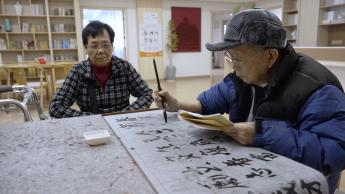
    • Cultural Continuity — Heritage Conservation under the Constitution

      Cultural Continuity — Heritage Conservation under the Constitution

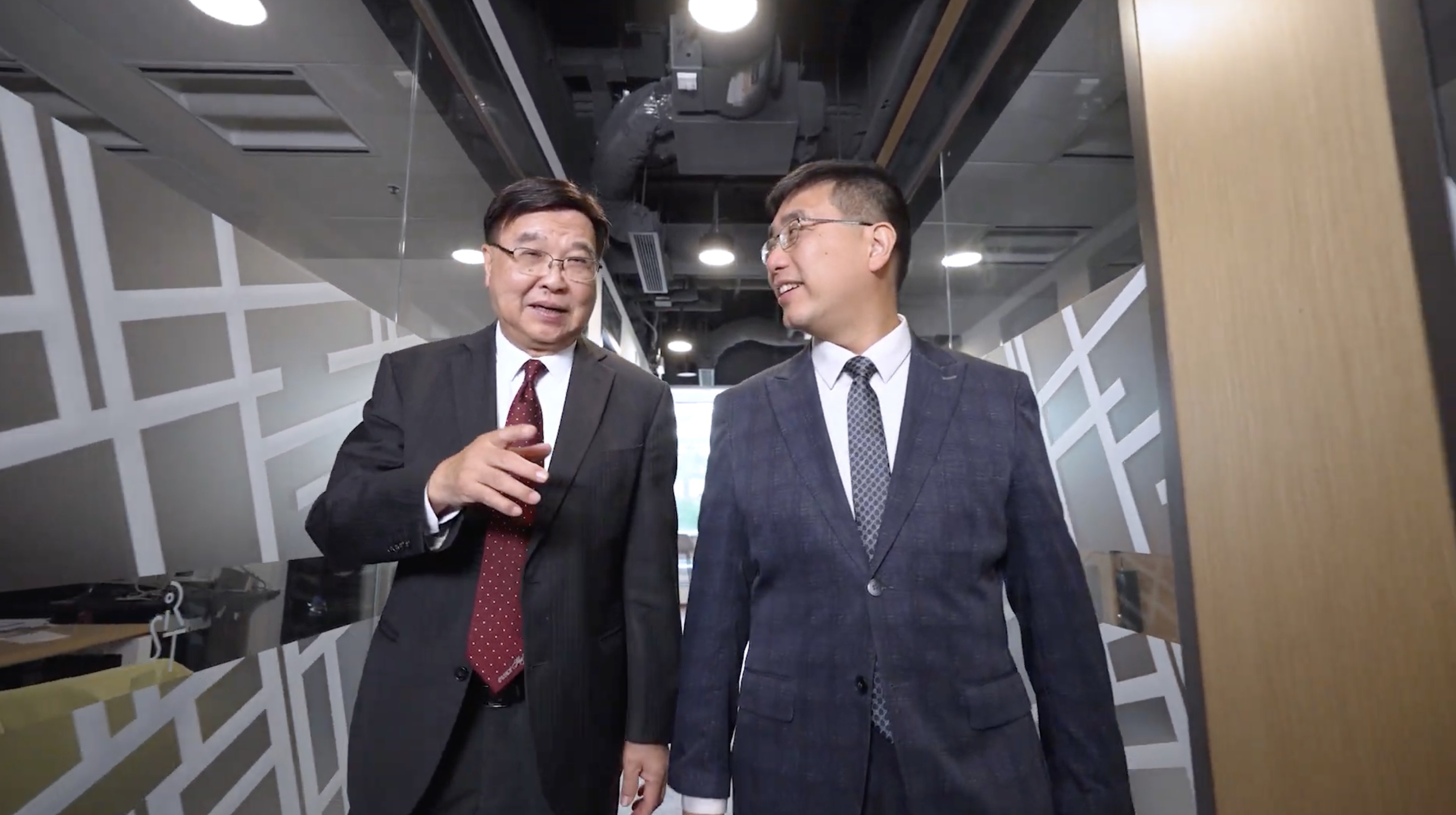
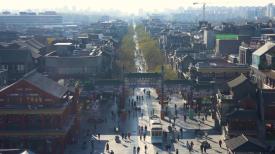
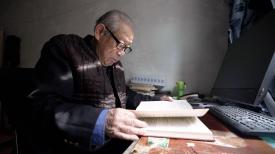
      Cultural inheritance is the root of a nation. Article 22 of the Constitution establishes the state’s policy of developing cultural undertakings and protecting historical and cultural heritage. Focusing on “cultural heritage conservation”, this episode explores how the Constitution provides a solid safeguard for cultural development and heritage conservation, enabling the nation to preserve historical civilisation while promoting the spirit of Chinese culture. The episode also features an interview with Professor Emeritus Lyu Zhou of School of Architecture, Tsinghua University, who led the work on nominating the Beijing Central Axis for the World Heritage List. He recounts the journey to successful inscription of this site, hailed as “A Building Ensemble Exhibiting the Ideal Order of the Chinese Capital”, on the World Heritage List in 2024, and analyses the far-reaching significance of the nation’s heritage conservation efforts under the safeguard of the Constitution, highlighting the historic mission of sustaining Chinese civilisation through a balance between guardianship and innovation. 

      28/08/2026
    • Living in Harmony — Ethnic Equality Enshrined in the Constitution

      Living in Harmony — Ethnic Equality Enshrined in the Constitution

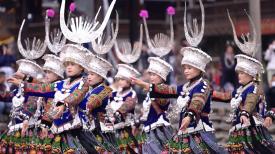
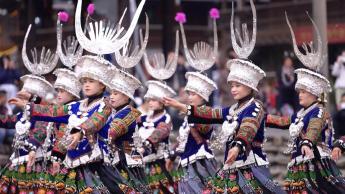
      The Chinese nation is a diverse and inclusive family, with a rich array of cultures and traditions. How does the Constitution lay the institutional foundation for ethnic autonomy and shared prosperity, and foster collective advancement among all ethnic groups through exchange and mutual learning? Article 4 of the Constitution states that all ethnic groups are equal, and the state shall protect the lawful rights and interests of all ethnic minorities, uphold relations of equality, unity, mutual assistance and harmony, and assist all ethnic areas in accelerating their economic and cultural development. Through a visit to an ethnic minority community in Guizhou Province guided by Professor Li Tianyi of Guizhou Minzu University, this episode offers an immersive experience of traditional cultures and customs of the Miao people and other ethnic groups, and explores practices in ethnic autonomy and cultural preservation, showcasing the vitality and depth of diverse cultures flourishing together under the safeguard of the Constitution. 

      21/08/2026
    • People’s Well-being — Connection between the Constitution and Society

      People’s Well-being — Connection between the Constitution and Society

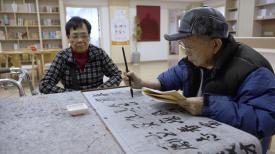
      Safeguarding people’s well-being is the core spirit of the Constitution. Article 45 of the Constitution stipulates that citizens shall have the right to material assistance from the state and society when they are aged, ill or have lost the capacity to work. Focusing on “society and people’s livelihood”, this episode examines how the Constitution underpins a comprehensive social security system that addresses the needs of the elderly. In recent years, many Hong Kong seniors have chosen to retire in the Greater Bay Area. Through a visit to a residential care home for the elderly in Foshan, the episode provides insights into the retirement life of Hong Kong seniors, and explores how they can enjoy their golden years with institutional safeguards and community care, highlighting the Constitution’s core values of putting people first and safeguarding their livelihood.

      14/08/2026
    • Education Vision — Learning Mission under the Constitution

      Education Vision — Learning Mission under the Constitution

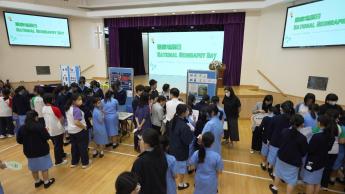
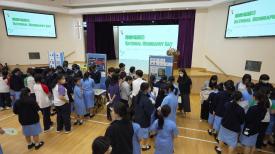
      Education is indispensable to the nation’s development. Article 23 of the Constitution emphasises the need to train all kinds of specialised personnel to serve socialism, and give full play to the role of intellectuals in modernisation. How does the Constitution provide institutional safeguards for educational undertakings, and support Hong Kong schools in nurturing talent essential to the nation’s development? This episode features a visit to Kowloon True Light School to explore how the school nurtures students through curriculum design and diverse activities, thereby accomplishing the education mission conferred by the Constitution, and cultivating a new generation with patriotism and a strong sense of social responsibility.

      07/08/2026
    • Ecological Guardianship — Environmental Responsibility under the Constitution

      Ecological Guardianship — Environmental Responsibility under the Constitution

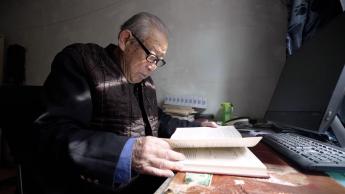
      Lucid waters and lush mountains are invaluable assets. They represent precious resources and are a key foundation for the nation’s sustainable development. How does the Constitution provide legal safeguards and development direction for ecological conservation and resource management? This episode features an interview with hydrologist and engineer Chen Manxiang, who talks about his years of research on water resource development and utilisation in Gansu and the upper reaches of the Yellow River, and shares his contributions to natural resource conservation and ecological education. This illustrates how the Constitution safeguards the advancement of research and practice in tandem, accelerating the transition towards a green development model in the country and Hong Kong.

      31/07/2026
    • Tech Future — Path of Innovation Guided by the Constitution

      Tech Future — Path of Innovation Guided by the Constitution

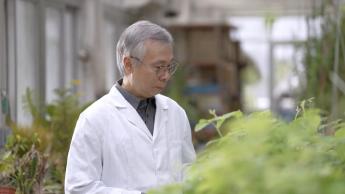
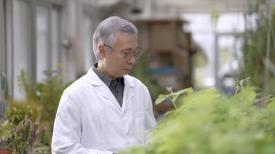
      Technological innovation is a key driver of national progress. Article 14 of the Constitution stresses that promoting advanced science and technology and increasing working people’s level of technical skill are an essential driving force for national development. How does the Constitution provide institutional safeguards for scientific research and support the flourishing development of State Key Laboratories in Hong Kong under the 14th Five-Year Plan? Professor Lam Hon-ming, who has devoted over 20 years to agricultural technology research, worked with his team at the School of Life Sciences and the State Key Laboratory of Agrobiotechnology at the Chinese University of Hong Kong and successfully developed new strains of salinity- and drought-tolerant soybean, realising the vision of “bringing soybean home”. His journey and achievements show how the Constitution supports researchers in pursuing the path of innovation, enabling the country and Hong Kong to collaboratively build a science and technology powerhouse.

      24/07/2026