Hot Search

X
Other episodes

    內容

    CONTENT
    23/04/2026
    Photo Album
    Photo Album

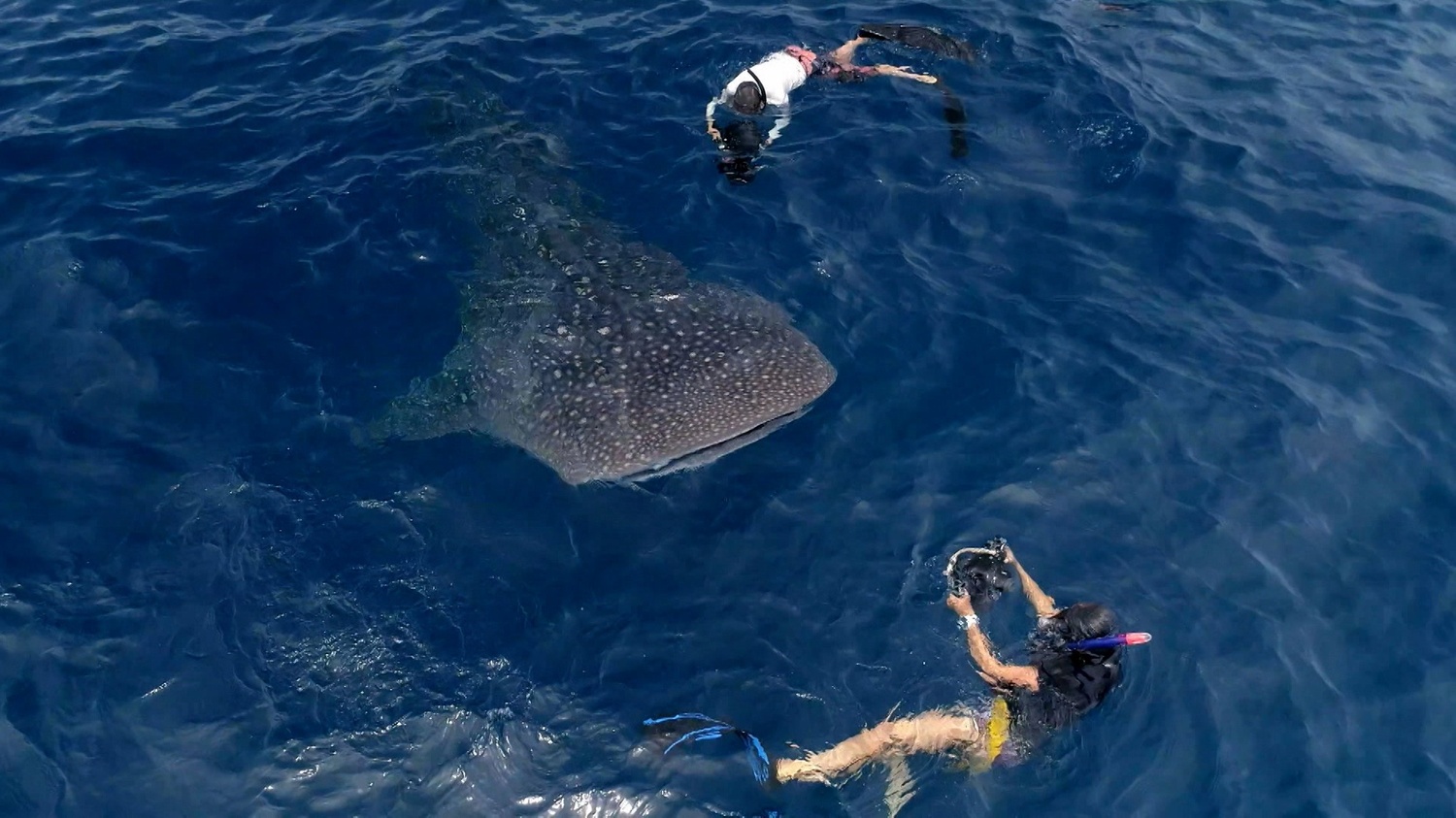
    Whales, manta rays, whale sharks are all eaters of animal plankton or small fish, themselves huge consumers of vegetable plankton. These marine algae produce half of the oxygen on earth and capture 40% of the carbon dioxide.But the global role of the Mastodonts is hardly believable. By swallowing plankton and the small animals that feed on them, these giants capture and store carbon in their fat. When they die, they sink into the abyss where the carbon remains trapped for thousands of years. For example, one whale captures as much carbon each year as a thousand trees.
    These giants are real allies in regulating the climate and restoring reef productivity. The programme for identifying these new feeding areas is easily reproducible in all the areas concerned around the world.

    集數

    EPISODES
    • Resurrecting The Reef

      Resurrecting The Reef

      Over the past 30 years, the world has lost nearly one-third of its coral reefs. More than one billion people depand on reefs for food and hunderds of thousands of people depend on them for their livelihoods.
      From the most recently developed killer robots to shellfish farming, ultra-modern tactics are now proving their worth in the Great Barrier Reef to ensure the survival of this natural wonder that is the coral world and to make it possible to export this know-how to many of the world’s reefs.

      16/04/2026
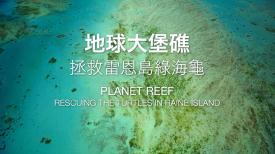
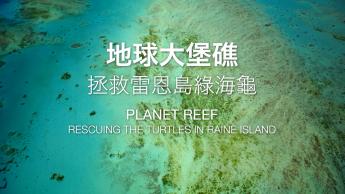
    • Rescuing The Turtles In Raine Island

      Of the seven species of sea turtles, all are classified as vulnerable, endangered or on the edge of extinction. One of the main reasons for this is the degradation of their nesting spots.

      Raine Island is also the most important seabird rookery in the Great Barrier Reef— home to 20,000 breeding pairs of Frigates and Boobies. Their survival is intimately tied to that of the turtle colony, because without young turtles to feed on, seabird numbers would collapse, too.

      09/04/2026