Hot Search

X

    內容

    CONTENT

    Executive Producers:YAU ANNIE, YEUNG WAI NGA

    26/05/2026

    Human survival is inseparable from water.

    In the 1960s, the Government tackled water rationing by constructing the world’s first freshwater reservoir in a uniquely shaped bay in the northeast New Territories. The Plover Cove Reservoir holds more than just the drinking water we use daily; beneath the surface lie several villages, whose inhabitants had to be relocated back then due to this infrastructure project.

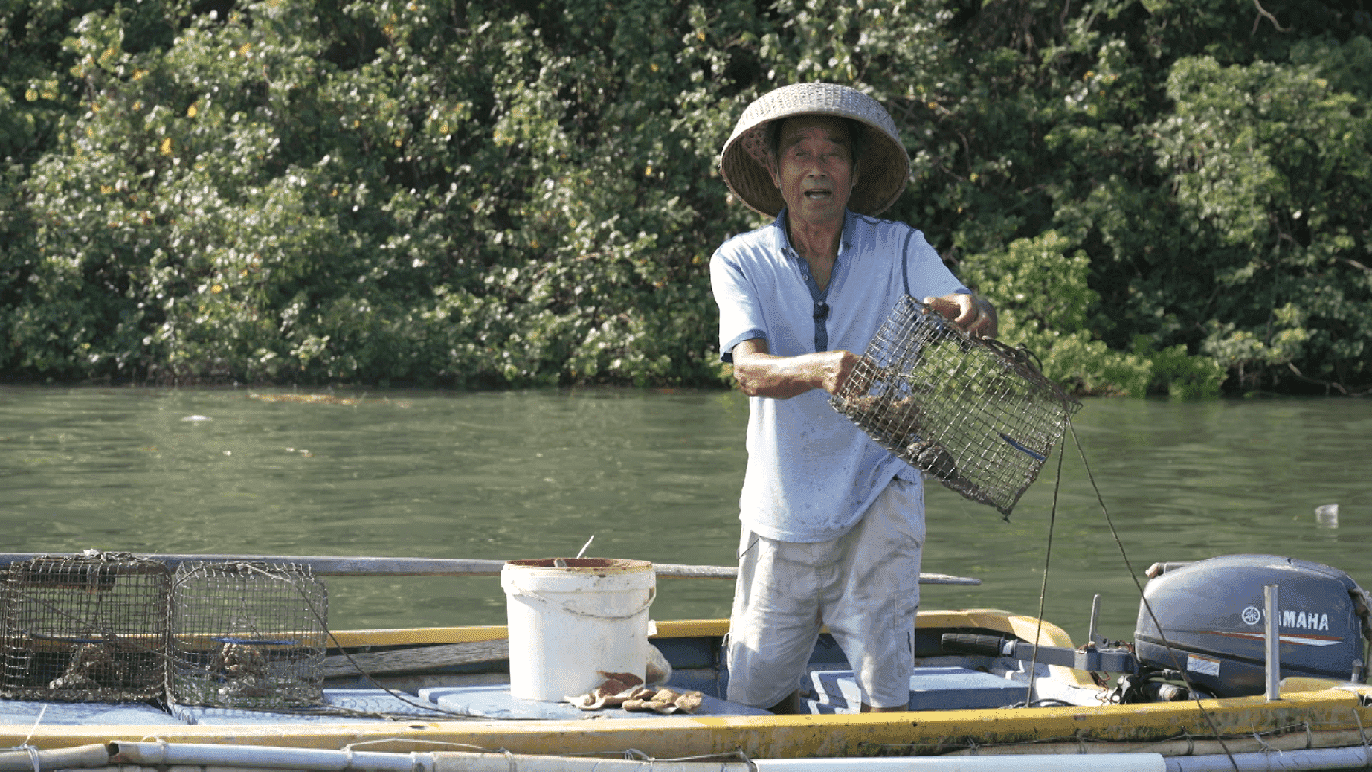
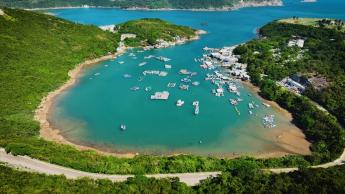
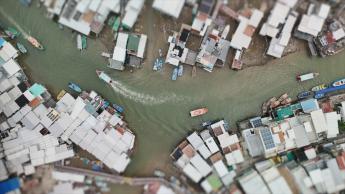
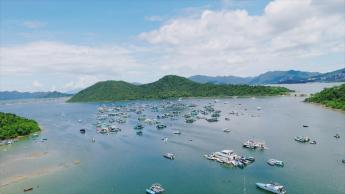
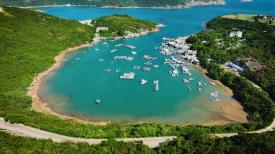
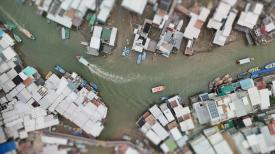
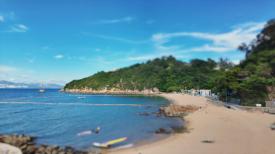
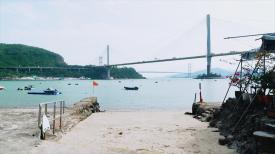
    One of the villages is the Sam Mun Tsai fishing village. The villagers are primarily Tanka people who make a living by fishing. Sixty straight years have gone by since they moved to Yim Tin Tsai in Tai Po. Due to the subsequent decline in the fishing industry, the fishermen have switched to raising saltwater fish in fishing rafts, and even people from outside the area are drawn to Sam Mun Tsai to learn fish farming. As you pass through the houses in Sam Mun Tsai New Village, ascend the hill and then make your way down, a tombolo connecting Ma Shi Chau and Yim Tin Tsai comes into view. This tombolo helps stabilise the fishing rafts. The surrounding area has been designated as part of the Hong Kong UNESCO Global Geopark (Northeast New Territories Region) with both ecological and humanistic value.

    The unique topography near the Plover Cove has shaped the destiny of Sam Mun Tsai Village today. Sam Mun Tsai New Village retains the rustic charm of a fishing village, free from highly commercialised tourist attractions and shops. Although many villagers no longer “depend on the sea for a living”, they still preserve the fishing village lifestyle. They have known each other’s families for at least several generations and look out for one another in their daily lives. These portray the everyday reality of Sam Mun Tsai Village.

    集數

    EPISODES
    • Sam Mun Tsai, Tai Po – Cradled by the Sea

      Sam Mun Tsai, Tai Po – Cradled by the Sea

      Human survival is inseparable from water.

      In the 1960s, the Government tackled water rationing by constructing the world’s first freshwater reservoir in a uniquely shaped bay in the northeast New Territories. The Plover Cove Reservoir holds more than just the drinking water we use daily; beneath the surface lie several villages, whose inhabitants had to be relocated back then due to this infrastructure project.

      One of the villages is the Sam Mun Tsai fishing village. The villagers are primarily Tanka people who make a living by fishing. Sixty straight years have gone by since they moved to Yim Tin Tsai in Tai Po. Due to the subsequent decline in the fishing industry, the fishermen have switched to raising saltwater fish in fishing rafts, and even people from outside the area are drawn to Sam Mun Tsai to learn fish farming. As you pass through the houses in Sam Mun Tsai New Village, ascend the hill and then make your way down, a tombolo connecting Ma Shi Chau and Yim Tin Tsai comes into view. This tombolo helps stabilise the fishing rafts. The surrounding area has been designated as part of the Hong Kong UNESCO Global Geopark (Northeast New Territories Region) with both ecological and humanistic value.

      The unique topography near the Plover Cove has shaped the destiny of Sam Mun Tsai Village today. Sam Mun Tsai New Village retains the rustic charm of a fishing village, free from highly commercialised tourist attractions and shops. Although many villagers no longer “depend on the sea for a living”, they still preserve the fishing village lifestyle. They have known each other’s families for at least several generations and look out for one another in their daily lives. These portray the everyday reality of Sam Mun Tsai Village.

      26/05/2026
    • A lifelong bond with the sea

      A lifelong bond with the sea

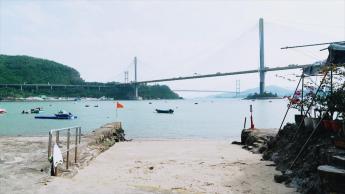
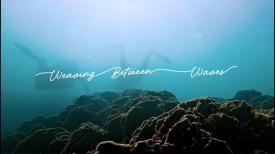
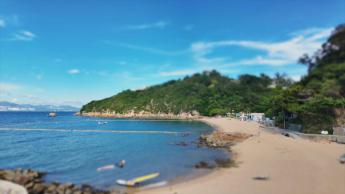
      Hong Kong is surrounded by the sea on three sides, making swimming the earliest sport to gain popularity. Swimming sheds and bathing sheds emerged in an era when entertainment was scarce. As times have change, the number of the once-glorious swimming sheds has shrunk to just a few. Yet, a small number of bathing sheds still stand quietly on some beaches, silently guarded by some long-established swimming clubs. Many of their members have been practicing sea swimming for decades. Come rain or shine, they never miss a day of coming to the beach for a refreshing swim. In the sun-drenched waters and beside the historical bathing sheds, their decades-long stories with the sea are recorded. Their passion for sea swimming has not diminished with age. On the contrary, you see only the sincerest and happiest smiles beaming in the sunlight.

      19/05/2026