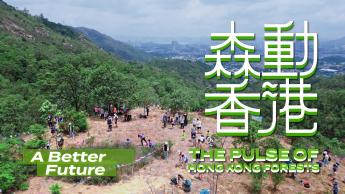
A Better Future
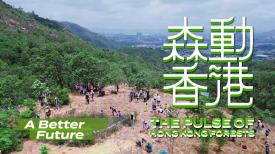
As the series finale, this episode highlights public education and community participation in Hong Kong’s urban forestry. From the revitalisation of Green Hub and flower shows to butterfly-garden projects, Zero Carbon Park and community farms, it showcases how government, organisations and citizens work together to advance urban greening. Through heritage-building revitalisation, mall ecology programmes, native urban forests and tree-planting activities, the episode illustrates how environmental awareness is rooted in the next generation, shaping a sustainable, tree-friendly city for all.
Find out more at: https://www.rthk.hk/tv/dtt31/programme/pulseofhkforests_eng
Every Wednesday | 9:30 PM | RTHK TV 32
Download the "RTHK On The Go" app NOW:https://rthk.hk/otg
Subscribe, like and hit the bell!
#publiceducation #communityparticipation #GreenHub #flowershows #butterfly-gardenprojects #ThePulseofHongKongForests #ABetterFuture
 取得
取得