Listen to #Hashtag Hong Kong every Sunday morning at 8.15
Focusing on issues affecting civil society, we'll hear from representatives of NGOs, associations, statutory bodies, and non-profit groups.
(Sundays 8.15am - 8.25am)
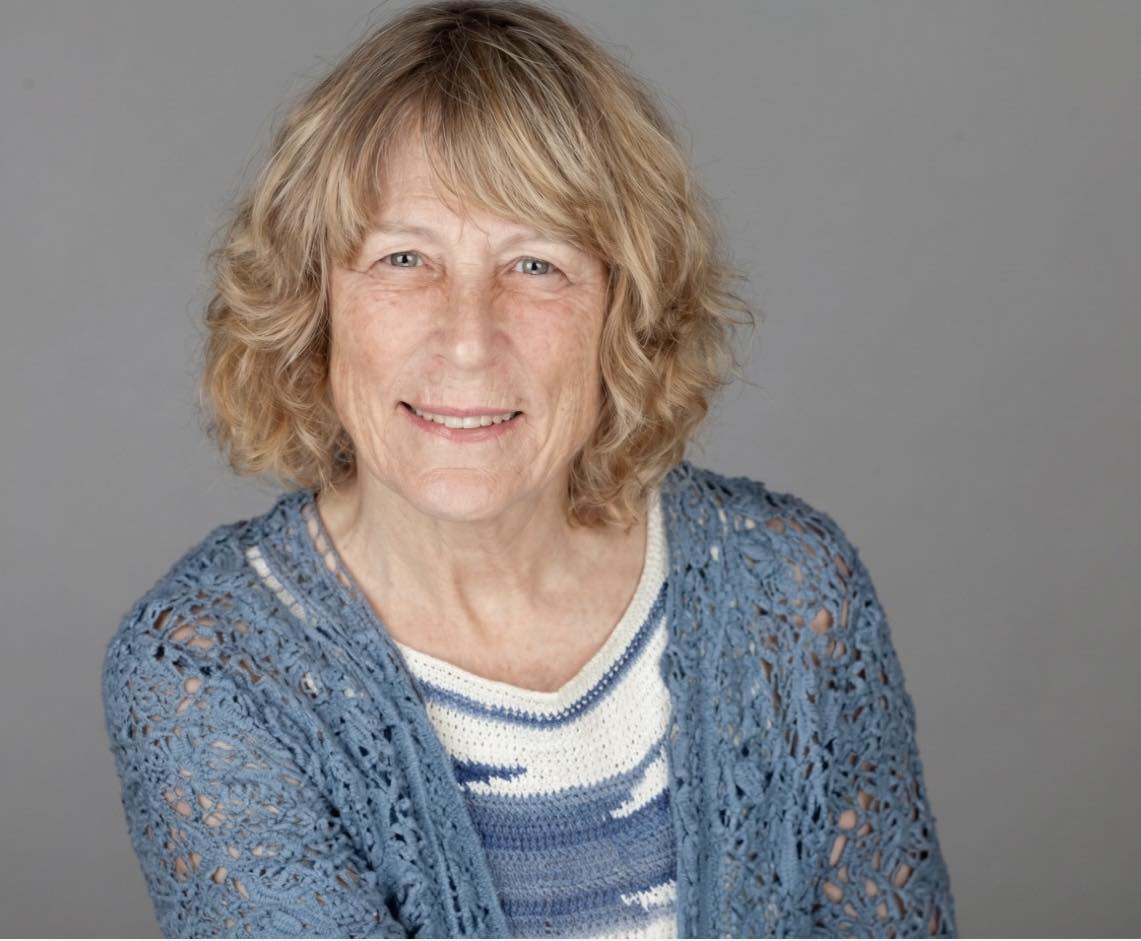

Good morning everyone!
Hong Kong is home to over 340,000 migrant domestic workers. They are the backbone of our households, caring for our children, supporting our elderly, and keeping our homes running smoothly. Yet, many face financial pressures, recruitment debt, and even fraud.
Enrich exists to change that story. I think of Eka, a migrant domestic worker from Indonesia who has lived in Hong Kong for more than 20 years. When she first arrived, she faced enormous financial pressures and struggled to manage her income. Like many women, she carried the weight of supporting her family back home while navigating life in a new city.
Eka joined Enrich’s financial and empowerment workshops, and she describes the experience as life changing. She learned how to budget, save, and plan for the future. Over time, she built the confidence to take control of her finances and even began to dream of starting her own business.
What inspires me most is her determination. Eka told me that before Enrich, she didn’t know how to manage money. Now she feels confident and knows that she can build a better future for herself and her family.
Her journey reminds us that true empowerment goes beyond statistics—it's rooted in dignity, hope, and rekindling the capacity to dream. Eka’s story reflects the resilience of so many migrant domestic workers in Hong Kong, and why Enrich’s mission matters.
Through financial and empowerment education, we help women learn to budget, save, and plan for their futures. We also provide workshops on communication, well being, and entrepreneurship. Since 2007, tens of thousands of women have joined our programmes, and many have told us how these tools gave them hope, confidence, and control over their lives.
People often ask me why I chose to lead Enrich. The answer is simple: because empowerment is transformative. When a woman learns to take charge of her finances, she doesn’t just change her own life; she changes the lives of her children, her family, and her community back home. Education is the most sustainable form of support we can offer, and I am proud to be part of an organisation that invests in women who, in turn, invest in the world.
At Enrich, we were deeply saddened by the devastating fire at Wang Fuk Court. Our hearts go out to all those affected, especially the migrant domestic workers who lost their homes and belongings, and the families that lost their sisters, daughters, and mothers. In the days that followed, we witnessed the generosity of the Hong Kong community, but we also saw opportunists trying to exploit the tragedy. That is why we dedicated our Giving Tuesday donations directly to those impacted, with a special focus on migrant domestic workers.
This March, we will celebrate International Women’s Day with one of our biggest events of the year: “Empowering MDWs: Resilience, Wellbeing & Pathways Forward.”
Today, we celebrate the resilience of migrant domestic workers and support those affected by the tragic Tai Po fire. Together with our co host, the Social Innovation Team at the Knowledge Transfer Office of the Chinese University, we will welcome migrant domestic workers and the wider community to InnoPort in Sha Tin. We chose this venue to reach more workers living and working in and around Tai Po.
The event will feature:
- Booths offering practical support, from mental health counselling and women’s health resources to financial consultation, legal aid, and upskilling opportunities.
- Interactive sessions covering financial literacy, fraud prevention, safety awareness, women’s wellbeing, and entrepreneurship.
- Wellness and art activities, such as Piloxing, artwork creation, and breathing exercises, to refresh and inspire participants.
- Booths showcasing migrant domestic worker groups and NGOs with business ideas and skill demonstrations.
This event is about more than services. It is about community, empowerment, solidarity, and pathways forward for migrant domestic workers in Hong Kong.
Reflecting on my journey with Enrich, I realize that empowerment starts with listening—listening to voices that are often overlooked and recognising their strength, resilience, and dreams. Hong Kong is a city of opportunity. Let us ensure that opportunity is shared. Let us invest in the women who invest in us every day.
I invite you to join us on International Women’s Day to stand with migrant domestic workers, celebrate their resilience, and help build a future where every woman has the tools to reach her goals.
Thank you for listening, and I hope you can support Enrich HK in some ways. Together, we are making a meaningful difference.

Hello everyone,today, we’re talking about two conditions that often come up after someone experiences a major trauma — Acute Stress Disorder and Post-Traumatic Stress Disorder, or PTSD. These are terms we hear a lot in the news or maybe from friends, but what do they actually mean? And what can we do about them?
To help unpack all this, first we’ll take a closer look at what trauma really is. In mental health,trauma doesn’t just mean something upsetting. According to the Diagnostic and Statistical Manual of Mental Disorders, a traumatic event involves actual or threatened death, serious injury, or sexual violence.
You could have experienced it directly, witnessed it happening to someone else, found out it happened to someone close to you, or been repeatedly exposed to disturbing details — like emergency workers who see these situations every day.
These are experiences that can shake your sense of safety, control, and belief in the world around you. Your sleep may be off, your heart races, you replay moments in your head. These are normal reactions.
When those reactions are severe and last more than a few days but less than a month, doctors may call it Acute Stress Disorder, or ASD.
ASD usually appears within the first month after a trauma. People with it might have nightmares, flashbacks, or moments where they feel numb or disconnected. They may avoid reminders of what happened or feel constantly on edge.
For example, people who survived a house fire might avoid anything that reminds them of flames or smoke, feel jumpy about sudden noises like alarms, and struggle to sleep because of vivid memories of the fire..
Research shows ASD affects up to 30 percent of people after a traumatic event — depending on how severe the trauma was. It can happen after accidents, assaults, disasters, or combat situations. Women tend to experience it more often than men, possibly because of differences in the kinds of trauma each gender is more likely to face.
If someone is recently traumatised, immediate therapy isn’t always necessary. For the first few weeks, what helps most is psychological first aid— kindness, safety, listening, and practical help.
Most people who experience trauma don’t go on to develop long-term problems — human beings are remarkably resilient. But for some, symptoms will persist.
When those reactions last more than a month, professionals may consider a diagnosis of Post-Traumatic Stress Disorder, or PTSD.
PTSD can include:
● Changes in alertness, such as feeling constantly tense, startled, or having trouble
sleeping.
●Intrusive memories or flashbacks that make it feel as if the trauma is happening all over
again.
●Avoidance, where someone sidesteps people, places, or even thoughts that remind
them of the event.
●Negative changes in mood or thinking, like guilt, anger, shame, or believing the world iscompletely unsafe.
The key difference from Acute Stress Disorder is the duration and the cognitive changes. PTSD symptoms persist beyond one month and often interfere heavily with daily life, work, and relationships. People who develop PTSD will also have changes in perception of self, the world and the future.
PTSD affects roughly 5 to 10 percent of people at some point in their lives. Among war veterans, first responders, and survivors of violence or disaster, that number can be much higher — even up to 20 to 30 percent.
Trauma is not the one single reason that makes people develop into PTSD. But researchers have identified some risk factors.
People who’ve been through earlier trauma or who already struggle with anxiety or depression may be more vulnerable. The type and severity of the trauma matter too. However, having strong social support can protect people. Most importantly, PTSD is treatable.
The most effective approaches combine psychological and medical treatments. I would like to introduce evidence-based psychological intervention for trauma conditions. Cognitive Behavioral Therapy for PTSD, helps people gradually revisit the traumatic memory and challenge unhelpful thoughts, such as “It was my fault” or “I’ll never be safe again.” Over time, this reduces fear and avoidance. Other effective therapies include Cognitive Processing Therapy or Eye Movement Desensitization and Reprocessing.
It is important to choose evidence-based or clinically proven trauma-focused treatment to achieve a good recovery and prevent re-traumatisation.
If you or someone you love is struggling after a traumatic experience, know that help is available— and recovery is possible. With the right treatment and support, people can and do rebuild their lives after trauma.
Lastly, I’d like to dedicate a song Let it be by The Beatles, thanks and enjoy!