Listen to #Hashtag Hong Kong every Sunday morning at 8.15
Focusing on issues affecting civil society, we'll hear from representatives of NGOs, associations, statutory bodies, and non-profit groups.
(Sundays 8.15am - 8.25am)
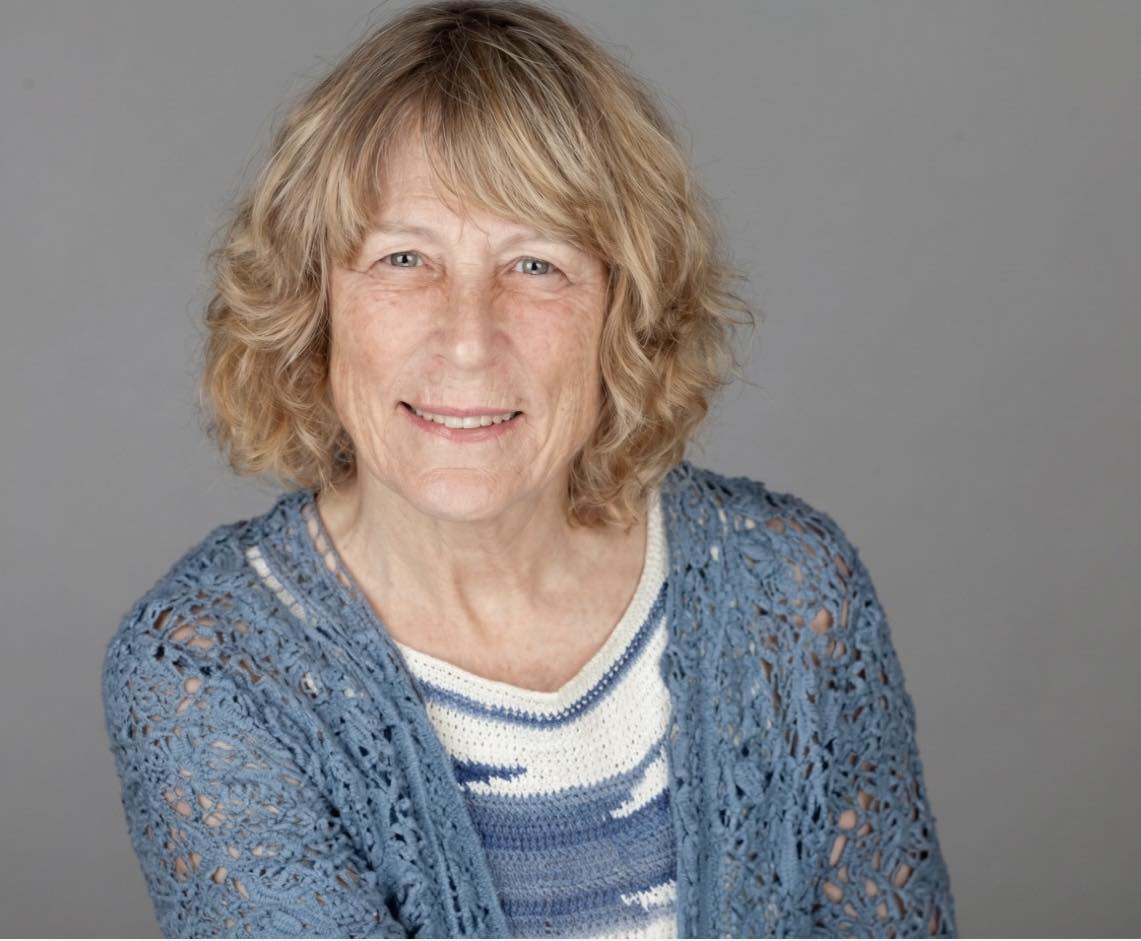

Good morning everyone!
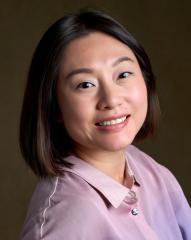
Hong Kong is home to over 340,000 migrant domestic workers. They are the backbone of our households, caring for our children, supporting our elderly, and keeping our homes running smoothly. Yet, many face financial pressures, recruitment debt, and even fraud.
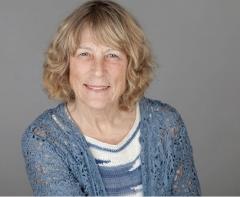
Enrich exists to change that story. I think of Eka, a migrant domestic worker from Indonesia who has lived in Hong Kong for more than 20 years. When she first arrived, she faced enormous financial pressures and struggled to manage her income. Like many women, she carried the weight of supporting her family back home while navigating life in a new city.
Eka joined Enrich’s financial and empowerment workshops, and she describes the experience as life changing. She learned how to budget, save, and plan for the future. Over time, she built the confidence to take control of her finances and even began to dream of starting her own business.
What inspires me most is her determination. Eka told me that before Enrich, she didn’t know how to manage money. Now she feels confident and knows that she can build a better future for herself and her family.
Her journey reminds us that true empowerment goes beyond statistics—it's rooted in dignity, hope, and rekindling the capacity to dream. Eka’s story reflects the resilience of so many migrant domestic workers in Hong Kong, and why Enrich’s mission matters.
Through financial and empowerment education, we help women learn to budget, save, and plan for their futures. We also provide workshops on communication, well being, and entrepreneurship. Since 2007, tens of thousands of women have joined our programmes, and many have told us how these tools gave them hope, confidence, and control over their lives.
People often ask me why I chose to lead Enrich. The answer is simple: because empowerment is transformative. When a woman learns to take charge of her finances, she doesn’t just change her own life; she changes the lives of her children, her family, and her community back home. Education is the most sustainable form of support we can offer, and I am proud to be part of an organisation that invests in women who, in turn, invest in the world.
At Enrich, we were deeply saddened by the devastating fire at Wang Fuk Court. Our hearts go out to all those affected, especially the migrant domestic workers who lost their homes and belongings, and the families that lost their sisters, daughters, and mothers. In the days that followed, we witnessed the generosity of the Hong Kong community, but we also saw opportunists trying to exploit the tragedy. That is why we dedicated our Giving Tuesday donations directly to those impacted, with a special focus on migrant domestic workers.
This March, we will celebrate International Women’s Day with one of our biggest events of the year: “Empowering MDWs: Resilience, Wellbeing & Pathways Forward.”
Today, we celebrate the resilience of migrant domestic workers and support those affected by the tragic Tai Po fire. Together with our co host, the Social Innovation Team at the Knowledge Transfer Office of the Chinese University, we will welcome migrant domestic workers and the wider community to InnoPort in Sha Tin. We chose this venue to reach more workers living and working in and around Tai Po.
The event will feature:
- Booths offering practical support, from mental health counselling and women’s health resources to financial consultation, legal aid, and upskilling opportunities.
- Interactive sessions covering financial literacy, fraud prevention, safety awareness, women’s wellbeing, and entrepreneurship.
- Wellness and art activities, such as Piloxing, artwork creation, and breathing exercises, to refresh and inspire participants.
- Booths showcasing migrant domestic worker groups and NGOs with business ideas and skill demonstrations.
This event is about more than services. It is about community, empowerment, solidarity, and pathways forward for migrant domestic workers in Hong Kong.
Reflecting on my journey with Enrich, I realize that empowerment starts with listening—listening to voices that are often overlooked and recognising their strength, resilience, and dreams. Hong Kong is a city of opportunity. Let us ensure that opportunity is shared. Let us invest in the women who invest in us every day.
I invite you to join us on International Women’s Day to stand with migrant domestic workers, celebrate their resilience, and help build a future where every woman has the tools to reach her goals.
Thank you for listening, and I hope you can support Enrich HK in some ways. Together, we are making a meaningful difference.

Good morning, Hashtag HK.
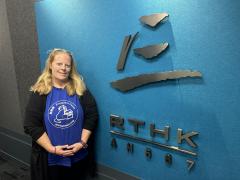
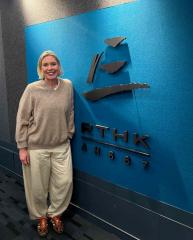
As a mother of three, my husband and I have been blessed with our 6-year-old daughter Naima, and our 11-year-old twins, Ava, who is neurotypical, and Jacob, who has Down Syndrome. Throughout our parenting journey in Hong Kong, we've encountered various challenges—ranging from Jacob's prenatal diagnosis and the need for sensitive, comprehensive information about Down syndrome, to accessing essential health and developmental resources.
The start of our journey wasn’t ideal. our doctor in the public sector at that time lacked the bedside manner and the training to sensitively discuss her findings of our 20-week scan, so instead she chose to go through her findings in silence, which unfortunately created a huge sense of unease and nervousness as first-time parents. What should have been a momentous and memorable visit ended up being a confused and daunting encounter where we were left with many questions unanswered and were instead given a bunch of leaflets on Down syndrome to go home and read.
We gathered information from a range of diverse sources, such as parent blogs and Down syndrome charities. The challenge of organizing this wealth of information inspired me to create A Little Bit Extra: a centralized resource platform dedicated to providing the latest information, fostering connections, and offering support for the Down syndrome community.
One of our goals at ALBE is to work with maternity units within public hospitals to ensure expectant and new parents have access to ongoing support and contemporary accurate information regarding Down syndrome. We aim to provide training and resources to health care practitioners to ensure they understand the lived experience of having Down syndrome and realise the importance of their language and attitudes when speaking of Down syndrome.
There appears to be a real lack of understanding Down syndrome as an individual condition as it is often grouped under a general disability. This then leads to a lack of awareness as to what it truly means to be born with this condition and how to fully support those with down syndrome medically, within the educational arena and within the job market.
A huge emphasis is placed on early intervention for any child that has an additional need, however often parents are left to fend for themselves once their child reaches school age, as there is a real lack of inclusive activities available for our children and in particular as our children grow to become teenagers and young adults many are left to feel quite alone and isolated.
During Jacob’s early years we were provided with fortnightly occupational therapy, speech therapy and PT (physical therapy) sessions which were an absolute godsend as it helped to alleviate the financial pressures of the private therapy sessions we were giving him. However, after two years these were ceased which is frustrating as both occupational therapy and speech therapy are essential for Jacob’s development and something he will require until he’s an adult. The monthly expense of therapies is a significant financial burden for many parents.
There is estimated to be 3000 individuals with Down syndrome in Hong Kong and it will be our mission to seek out our friends and their families within our community to ensure they are able connect, engage with others and feel supported within our community.
Our biggest support has been the family network here in HK. When Jacob was born and was admitted to Queen Mary Hospital we were appointed a social worker who then put us in touch with the Hong Kong Down Syndrome Association who in turn connected us with a number of families here in HK which was invaluable for us at the time and we have built and maintained some beautiful friendships. This support and connection is something that we will continue to nurture through A Little Bit Extra.
To enhance the support for individuals with Down Syndrome in Hong Kong, we request the support of the government in the following key areas:
● Enhance Education and Training: Implement comprehensive education and training programs in hospitals so healthcare professionals can deliver diagnoses sensitively, using language that is both respectful and non-discriminatory during scans and upon delivery.
● Expand Therapy Support: Increase subsidies for therapy sessions, particularly for children aged 5 to 11, ensuring they receive essential support beyond early childhood to foster their development and integration.
● Promote Awareness and Acceptance: Officially recognize Down Syndrome as a distinct condition to elevate awareness and acceptance. This initiative will educate healthcare professionals, school educators, and corporations, encouraging inclusive employment practices.
● Alleviate Caregiver Concerns: Address the longstanding worry of caregivers regarding the future of their children by providing structured support systems, ensuring a secure and supportive environment for individuals with Down Syndrome as they transition into adulthood.
March 21 is World Down Syndrome Day. Please wear bright and bold coloured socks on this day to raise awareness and let us work together to build an inclusive and supportive community for individuals with Down Syndrome and their families.